MotiveCrate Guides
Windshield Washer System Troubleshooting: Nozzles, Check Valves, Hose Kits & Wiper Arm Caps
No spray, weak spray or delayed spray? Diagnose the windshield washer system by checking the nozzle, check valve, hose kit and wiper arm cap, with fitment links for Honda, BMW, Toyota and universal repairs.
Published September 28, 2026 · Updated September 28, 2026 · 9 min read · Reviewed by MotiveCrate
Short answer: When a windshield washer system stops working, do not replace every part at once. Identify the symptom first: no spray, weak spray, delayed spray, a leak or a missing cap. The most common serviceable wear parts are the washer nozzle, check valve, hose kit and wiper arm cap. Match each replacement by part number, connector type and mounting style.
Start with the symptom
| Symptom | Most likely area | First check |
|---|---|---|
| No spray from one side | Nozzle or nozzle feed hose | Look for a clogged nozzle, cracked hose or disconnected connector |
| Weak or uneven spray | Nozzle or check valve | Check for mineral buildup, debris and a restricted valve |
| Spray arrives late | Check valve | Inspect the valve and confirm the fluid path |
| Fluid leaks under the hood | Hose, connector or reservoir | Trace the hose from the reservoir to the nozzle |
| Washer works, but fluid sprays poorly in winter | Frozen fluid, nozzle or check valve | Use the correct washer fluid and thaw components safely |
| Wiper arm cap is missing | Wiper arm cap | Match the cap to the arm and confirm the retaining design |
If the pump does not run at all, diagnose the electrical circuit, fuse and pump separately. This guide focuses on the exterior washer wear parts that are commonly replaced.
1. Windshield washer nozzle
The nozzle controls the spray direction and pattern. A damaged or clogged nozzle can create a single stream, a weak spray or no spray at all. Match the nozzle by part number, spray pattern, connector shape, mounting angle and heating configuration where applicable.
- 76810-SDA-A11 washer nozzle for Honda Accord, Civic and Odyssey applications
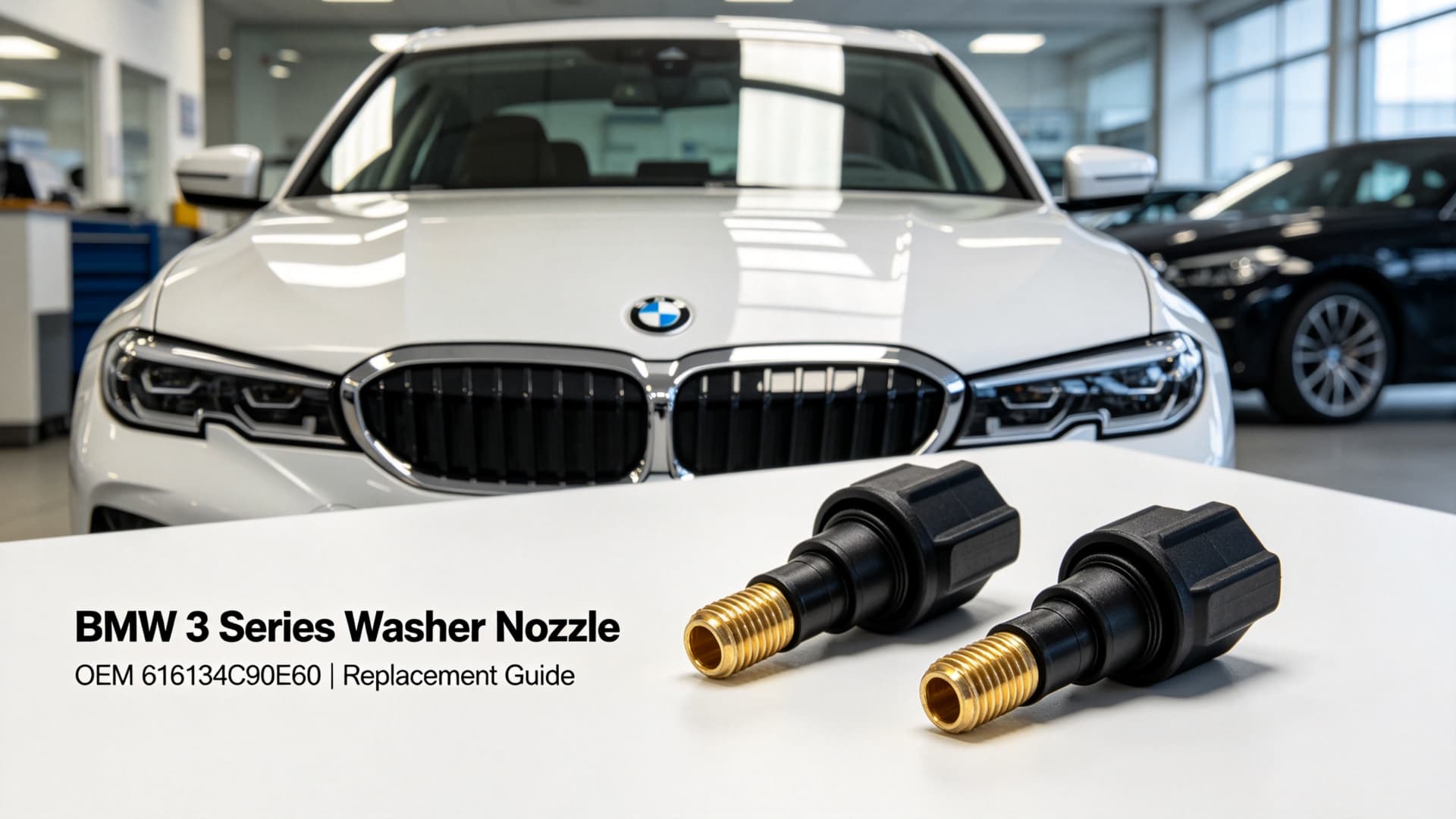
- 8iME36E90E60 washer nozzle for BMW 3 Series applications
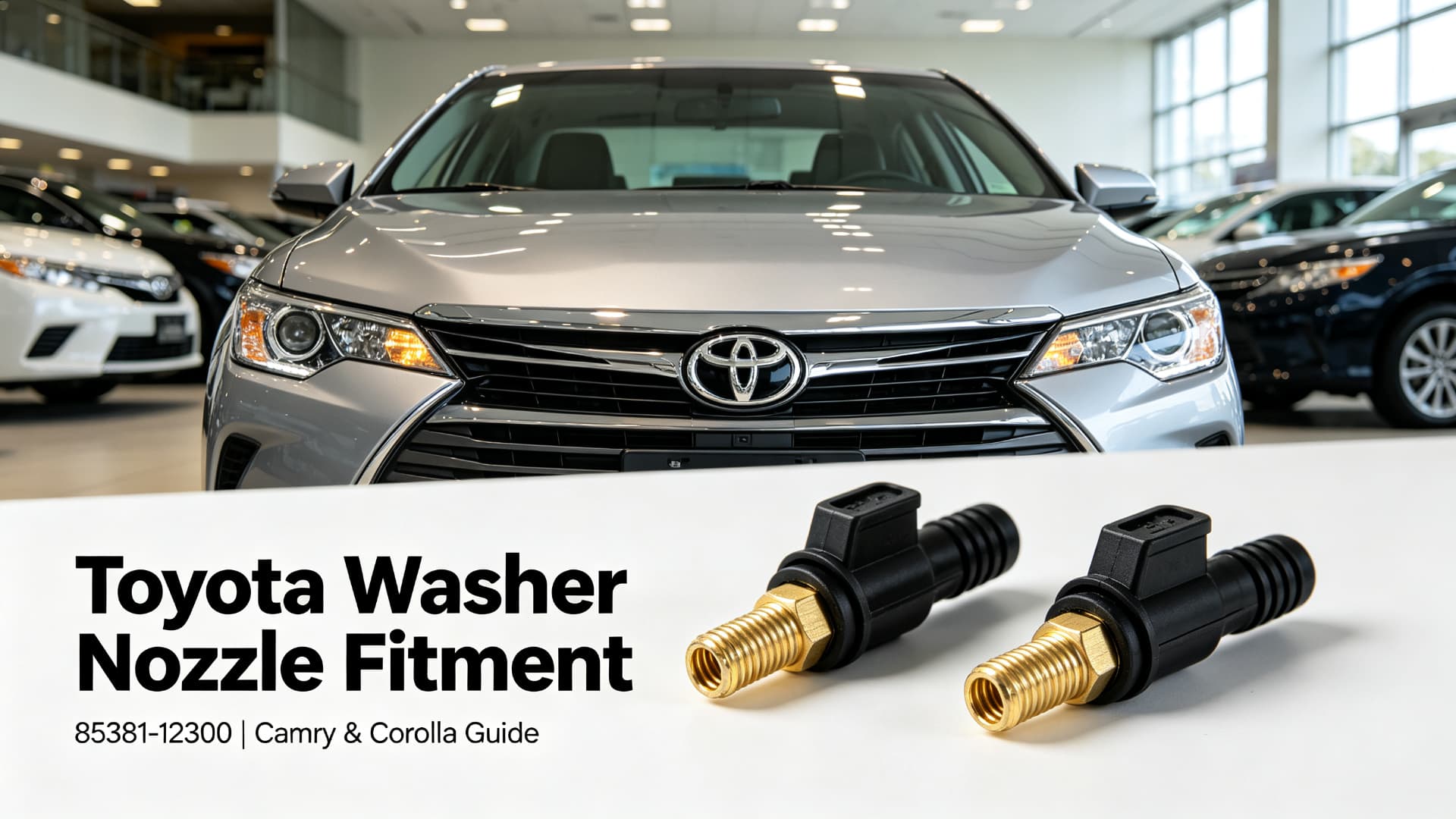
- 85381-12300 washer nozzle for Toyota Camry and Corolla applications
If the spray direction is wrong after installation, adjust the nozzle only if the design allows it. Do not force a plastic nozzle that does not match the hood or cowl mounting point.
2. Washer check valve
A check valve helps keep washer fluid moving in the intended direction and can reduce the delay before spray reaches the nozzle. A restricted or failed valve may cause weak spray, delayed spray or inconsistent output.
Check the fluid flow direction before installation. A valve installed backward can block or severely restrict the washer system.
3. Washer hose kit and connectors
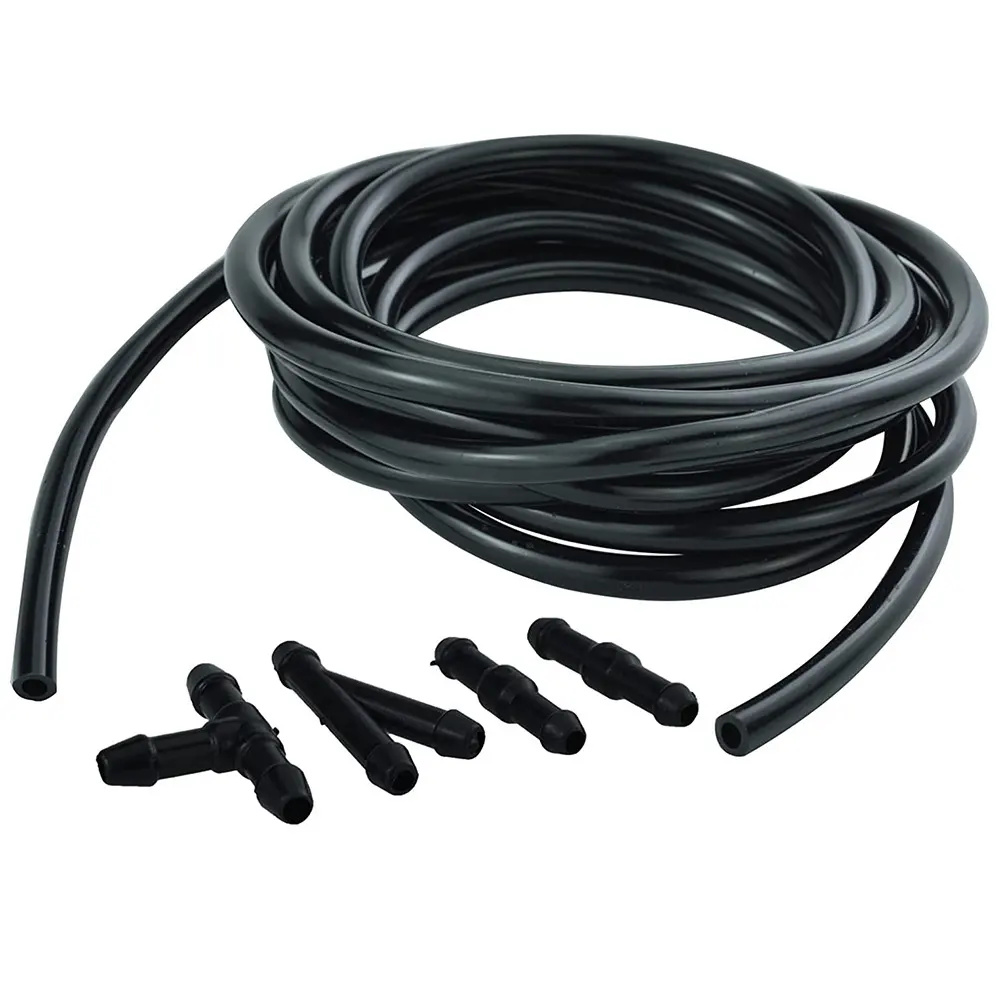
Cracked hoses, loose T-connectors and damaged Y-connectors can leak fluid before it reaches the nozzle. A hose kit is also useful when the original hose has become brittle or has been shortened during previous repairs.
Route the replacement hose away from hot, moving or sharp surfaces. Use the original routing as a guide and confirm that the hose is not kinked when the hood or cowl panel is closed.
4. Wiper arm cap
A missing wiper arm cap exposes the arm nut and can allow water or debris to collect around the base. Match the cap by arm style, diameter and retaining method.
A cap is not a repair for a loose wiper arm. If the arm itself is loose, inspect the arm and mounting nut before installing a new cap.
Diagnosis order that saves time
- Confirm the reservoir has fluid. Use washer fluid appropriate for the season.
- Listen for the pump. No pump sound suggests an electrical or pump issue, not a nozzle issue.
- Check one nozzle at a time. If only one side fails, focus on that nozzle and its hose.
- Inspect the check valve direction. Confirm that fluid can flow toward the nozzle.
- Trace the hose and connectors. Look for cracks, disconnected fittings, kinks and leaks.
- Compare the original part number. Replace only the component that matches the vehicle and washer design.
Fitment details to verify before ordering
- OEM or interchange part number
- Vehicle year, make, model, generation and trim where relevant
- Nozzle spray pattern and mounting angle
- Connector diameter and hose direction
- Heated or non-heated nozzle design, if applicable
- Wiper arm cap diameter and retaining method
Do not rely on the vehicle name alone. The same model can use different washer components by year, market or trim.
Related washer guides
- Honda Civic windshield washer troubleshooting
- BMW 3 Series washer nozzle replacement guide
- Toyota Camry and Corolla washer nozzle fitment guide
- Why washer spray arrives late
- Universal washer hose kit installation guide
- Clogged washer nozzle causes and fixes
Frequently Asked Questions
Why does only one washer nozzle spray?
The problem is usually limited to that nozzle, its short hose section or its connector. Check the affected side before replacing the whole washer system.
Why does washer fluid arrive a few seconds late?
A check valve, air in the hose or a weak fluid path can delay spray. Inspect the valve direction and look for cracks or loose connections.
Can I clean a clogged washer nozzle instead of replacing it?
Sometimes. If cleaning restores an even spray and the nozzle is not damaged, reuse may be possible. Replace it if the spray pattern remains uneven or the plastic is cracked.
Can I use a universal washer hose kit?
Yes, if the hose diameter and connectors match your washer system. Confirm the routing and check for kinks before closing the hood.
Do I need a new wiper arm cap with a new nozzle?
No. Replace the cap only if it is missing, cracked or loose. Match it to the wiper arm separately.
Shop washer system parts
Browse the Windshield Washer Nozzles collection for nozzles, check valves, hose kits, wiper arm caps and related washer parts. Always compare the part number and connector style with the original component.
For wholesale or mixed-pack inquiries, contact service@motivecrate.com or message WhatsApp +1 279-200-4690. MotiveCrate ships auto wear parts and repair clips to the United States, Canada and Mexico.
This guide is general fitment and maintenance information. Verify year, model, engine, part number and connector style before purchase. Aftermarket parts supplied by MotiveCrate are not affiliated with or endorsed by the original vehicle manufacturers.
Parts mentioned in this guide
Replacement options matched to the part type and vehicle applications in this article.
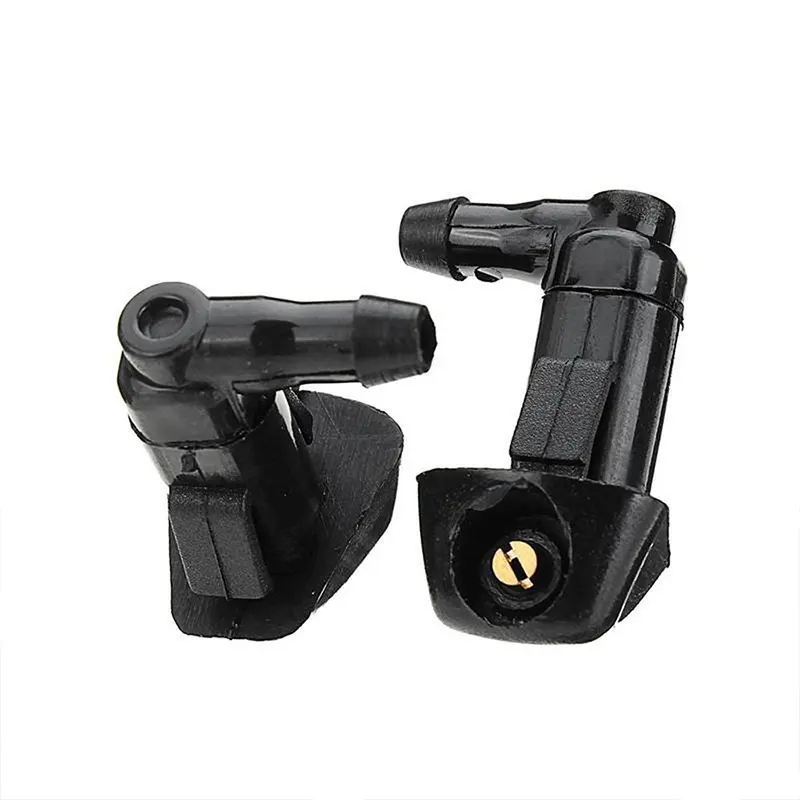 76810-SDA-A11 Windshield Washer Nozzle - Honda Accord / Civic / OdysseyWindshield Washer Nozzles
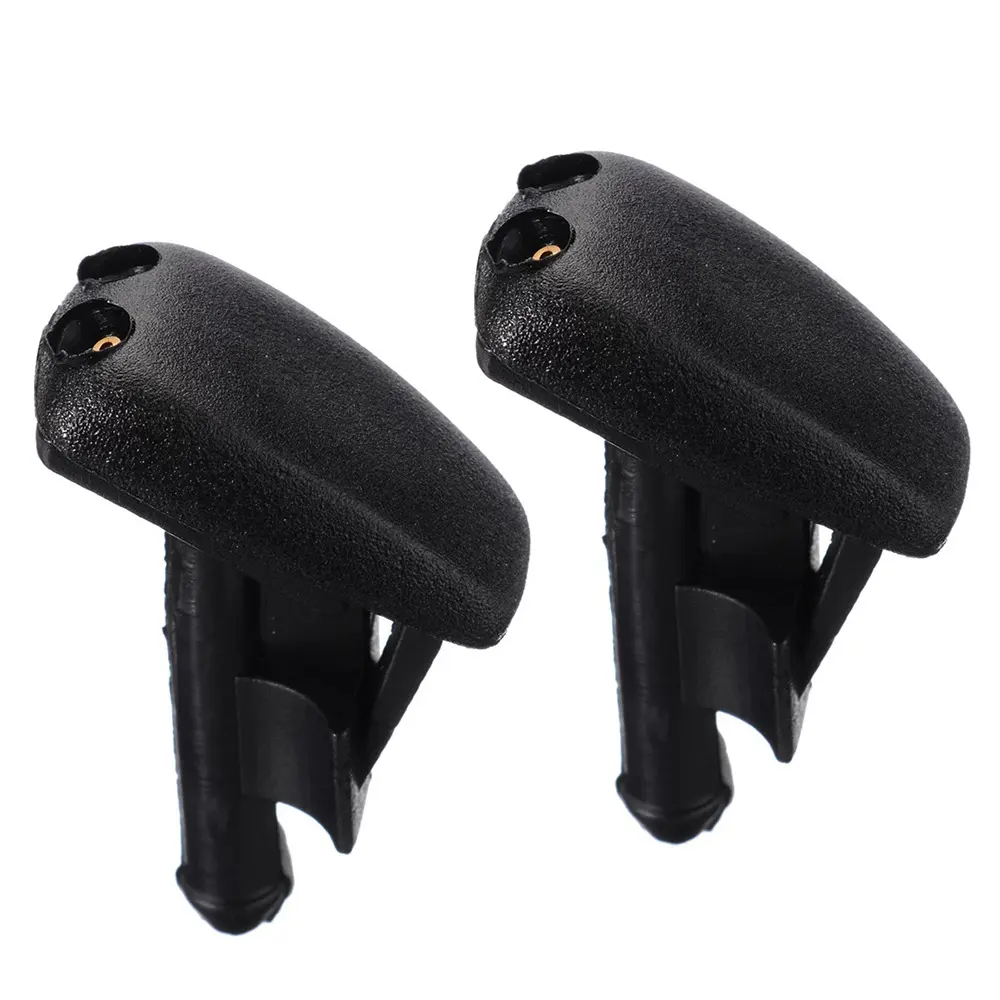 8iME36E90E60 Windshield Washer Nozzle - BMW 3 SeriesWindshield Washer Nozzles
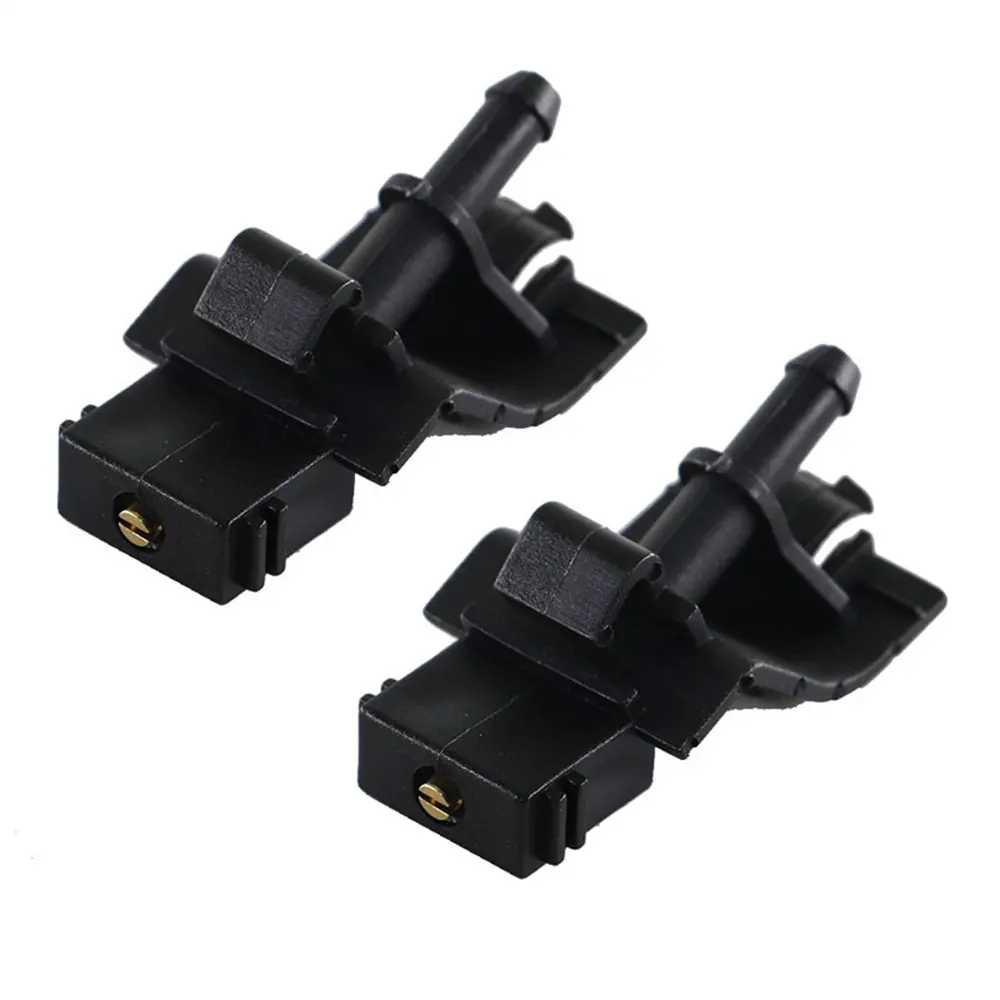 85381-12300 Windshield Washer Nozzle - Toyota Camry / CorollaWindshield Washer Nozzles
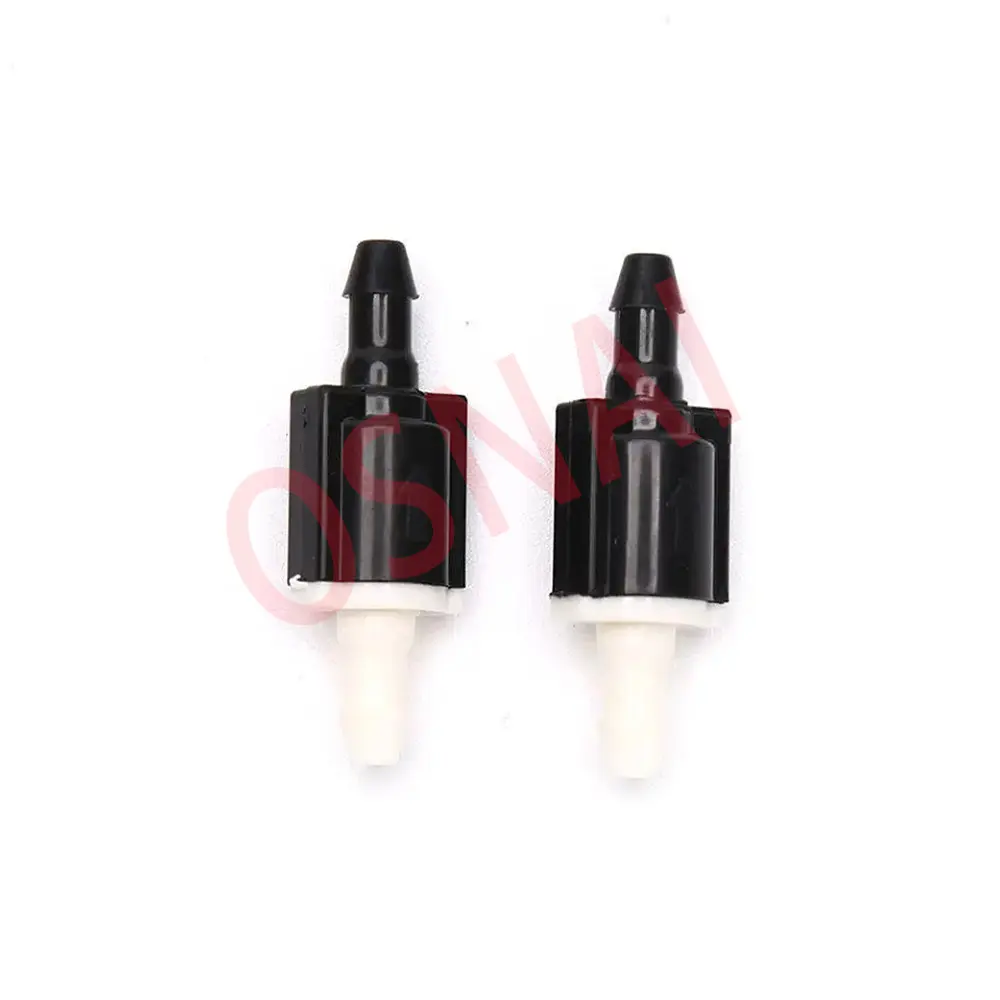 85321-26020 Washer Check Valve - Toyota Land Cruiser / LexusWindshield Washer Nozzles
Need help matching a part?
Email service@motivecrate.com or message us on WhatsApp with your year, make, model and trim and we will confirm the part number for you.
MotiveCrate supplies aftermarket replacement parts and is not affiliated with any vehicle manufacturer. Fitment information is a compatibility guide — always verify the part number before ordering.