MotiveCrate Guides
Rubber Bumper & Cushion Guide: Stop Rattles and Protect Panels
Rubber bumpers and cushions control panel movement, noise and contact points on hoods, trunks and body panels. Learn how to match the correct shape, hardness and mounting position.
September 27, 2026 · 6 min read · By MotiveCrate
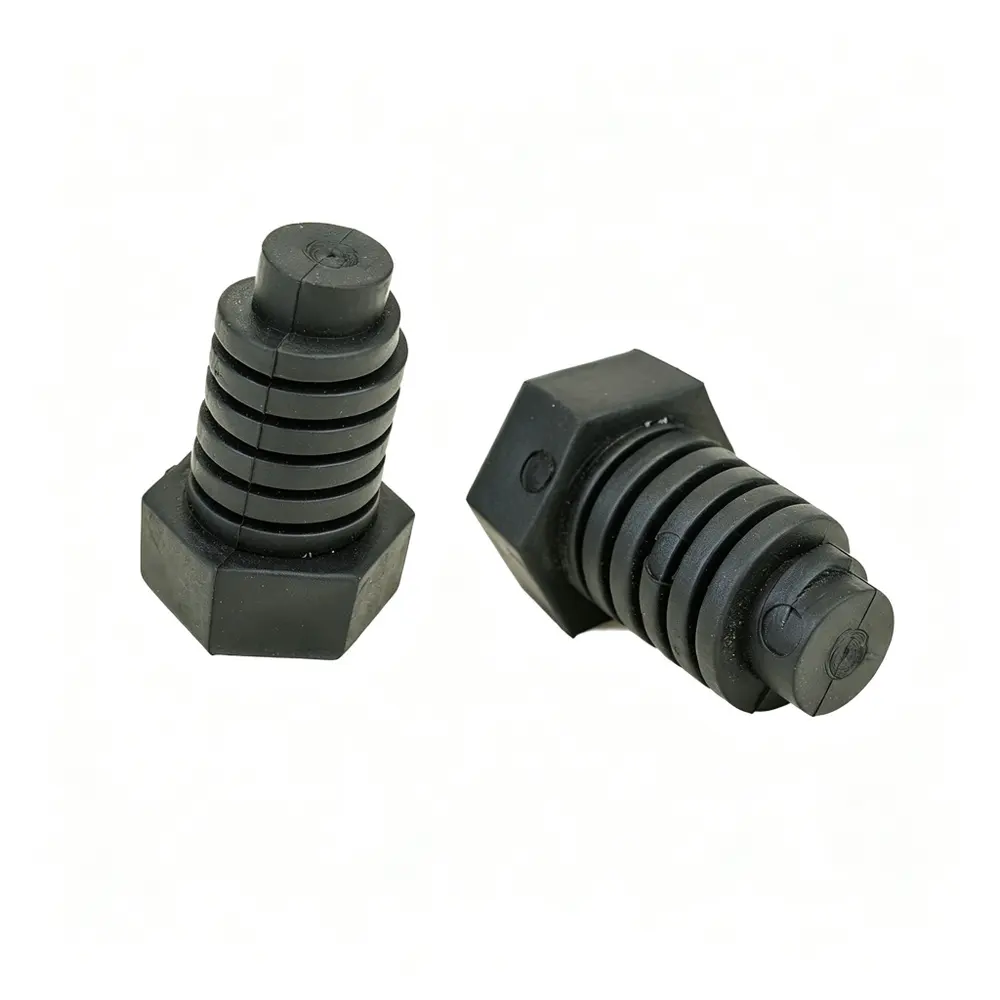
A rubber bumper or cushion is a controlled contact point. It stops metal and plastic panels from rubbing, rattling or closing too far. The replacement must match the original shape, thickness, mounting method and approximate hardness. A cushion that is too thin may not stop movement; one that is too thick can prevent the hood, trunk or panel from closing correctly.
Where rubber bumpers and cushions are used
- Hood bumpers and stops — control hood height and reduce vibration.
- Hood insulation pads — support or separate insulation panels and mounting points.
- Trunk and tailgate cushions — stop rattles and protect painted edges.
- Door and body cushions — control movement where panels meet.
- Radiator support and bracket pads — isolate vibration and protect mounting surfaces.
What to measure before ordering
- Part number — the most reliable match when the original number is visible.
- Overall height and thickness — this controls panel clearance.
- Base and head diameter — must match the mounting hole and contact area.
- Mounting type — push-in stem, screw, clip, adhesive or captured stud.
- Shape — round, rectangular, conical or flat.
- Material and hardness — rubber, EPDM, silicone or polyurethane may behave differently.
Quick identification table
| Type | Common use | What to verify |
|---|---|---|
| Round push-in bumper | Hood and trunk contact points | Stem diameter, height, mounting hole |
| Screw-mount cushion | Brackets and panel stops | Thread size and overall height |
| Flat rubber pad | Insulation and panel separation | Length, width, thickness and hole position |
| Conical bumper | Adjustable contact point | Height, compression and alignment |
| Adhesive cushion | Small trim and body contacts | Surface type and heat resistance |
Reference MotiveCrate rubber parts
- 4696592 hood bumper rubber cushion
- 6420940785 Mercedes-Benz hood insulation rubber pad
- 1061008233726 rubber bumper / cushion
- 80896-AR000 Nissan / Infiniti rubber cushion
- 2460A108 Hyundai / Kia / Mitsubishi rubber cushion
- 1T0805673A VW / Audi / Skoda rubber cushion
- 9054109143 Toyota / Lexus rubber cushion
- Rubber bumper / cushion for Ford applications
Browse the full Rubber Hood Bumpers collection for more shapes and mounting styles.
How to replace a bumper or cushion
- Locate the contact point and check whether the panel is resting too low or too high.
- Remove the old bumper without damaging the mounting hole or surrounding paint.
- Clean the mounting area and check for cracks or corrosion.
- Compare old and new parts for height, diameter and mounting type.
- Fit the new cushion and close the panel slowly.
- Check clearance and alignment. Adjust only if the part is designed to be adjustable.
Common mistakes to avoid
- Using a thicker bumper to hide a panel alignment problem.
- Replacing a push-in bumper with an adhesive part without checking load.
- Losing the backing washer or spacer.
- Over-tightening a screw-mount cushion and crushing the rubber.
- Using a generic bumper that does not contact the correct panel area.
Frequently asked questions
Why does my hood rattle after replacing the bumper?
The replacement may be too thin, installed in the wrong position or missing a spacer. Confirm the original part number and compare the height.
Are rubber bumpers universal?
No. Diameter, height, mounting method and hardness affect how the panel closes and rests.
Can I use silicone instead of rubber?
Only if the material is suitable for the load, temperature and surface. Silicone may compress differently from the original EPDM or rubber part.
Do you offer wholesale rubber bumpers and cushions?
Yes. Contact service@motivecrate.com or message us on WhatsApp for bulk quantities and mixed cartons.
MotiveCrate supplies aftermarket replacement parts and is not affiliated with any vehicle manufacturer. Fitment information is a compatibility guide. Always verify the original part number, shape and mounting location before ordering.
Need help matching a part?
Email service@motivecrate.com or message us on WhatsApp with your year, make, model and trim and we will confirm the part number for you.
MotiveCrate supplies aftermarket replacement parts and is not affiliated with any vehicle manufacturer. Fitment information is a compatibility guide — always verify the part number before ordering.