MotiveCrate Guides
Oil Drain Plug Gasket Sizes: How to Stop Leaks and Choose the Right Seal
Oil drain plug leaks usually come from the wrong thread size, a reused gasket or incorrect torque. Learn how to identify M12, M14, M16 and M18 plugs and choose the right sealing washer.
September 27, 2026 · 8 min read · By MotiveCrate
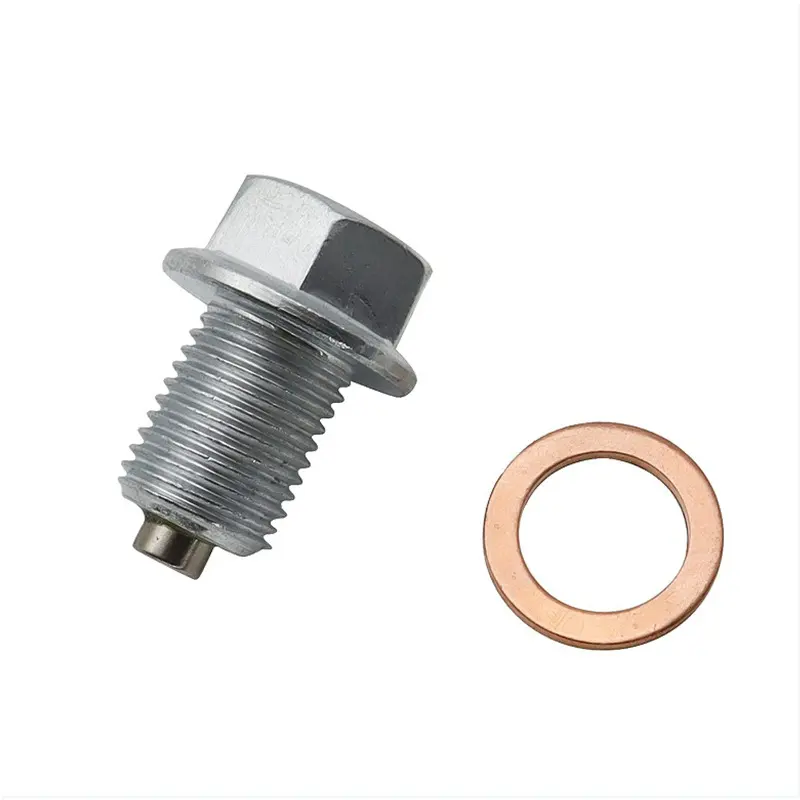
An oil drain plug leak is usually a fitment or sealing problem, not an oil problem. Check the thread size and pitch, the gasket type, the condition of the sealing surface and the installation torque. A new plug will still leak if it uses the wrong gasket, and a new gasket will still leak if the threads or sealing surface are damaged.
Thread size comes before gasket size
Drain plugs are identified by diameter and thread pitch. For example, M14 x 1.5 means a 14 mm nominal diameter with a 1.5 mm thread pitch. A plug with the same diameter but a different pitch will not thread correctly.
| Thread reference | What it means | Verification note |
|---|---|---|
| M12 x 1.25 | 12 mm diameter, 1.25 mm pitch | Common on selected Toyota, Lexus, Nissan and Infiniti applications; verify the original plug |
| M12 x 1.75 | 12 mm diameter, 1.75 mm pitch | Used in selected GM and Ford applications; do not substitute for M12 x 1.25 |
| M14 x 1.5 | 14 mm diameter, 1.5 mm pitch | Common reference size for selected Honda, Ford, Hyundai, Kia and Mazda applications |
| M16 x 1.5 | 16 mm diameter, 1.5 mm pitch | Used in selected BMW, Mini and other applications; confirm the gasket seat |
| M18 x 1.5 | 18 mm diameter, 1.5 mm pitch | Large-format plug; confirm pan depth, thread length and sealing surface |
| M24 x 1.5 | 24 mm diameter, 1.5 mm pitch | Specialty applications; verify the original part number before ordering |
Gasket types are not interchangeable
The correct gasket must match the plug and the pan sealing surface. Inner diameter, outer diameter, thickness and material all matter.
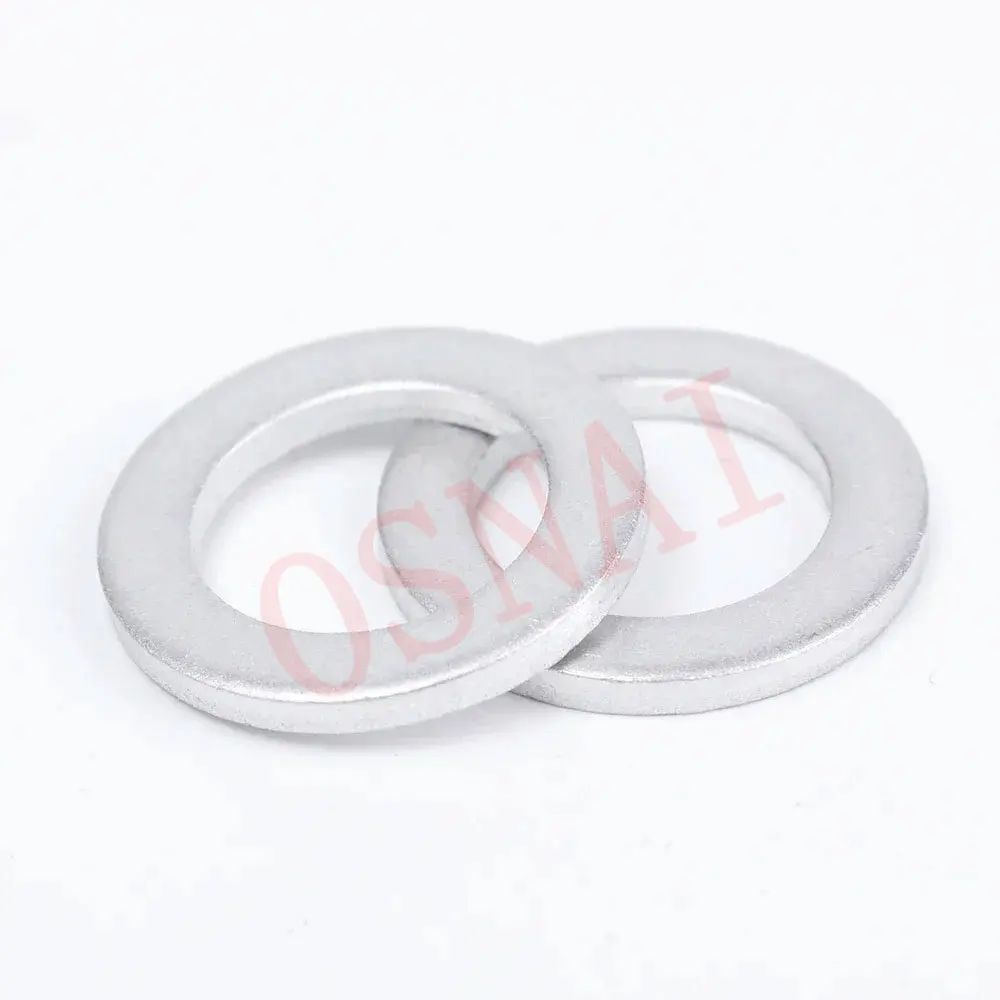
- Aluminum crush washer — deforms slightly to seal small surface imperfections. Usually replaced every oil change.
- Fiber or composite washer — common on original drain plugs and oil pan applications. Heat and age can make it brittle.
- Copper washer — durable and reusable in some applications, but not always compatible with the original torque and surface.
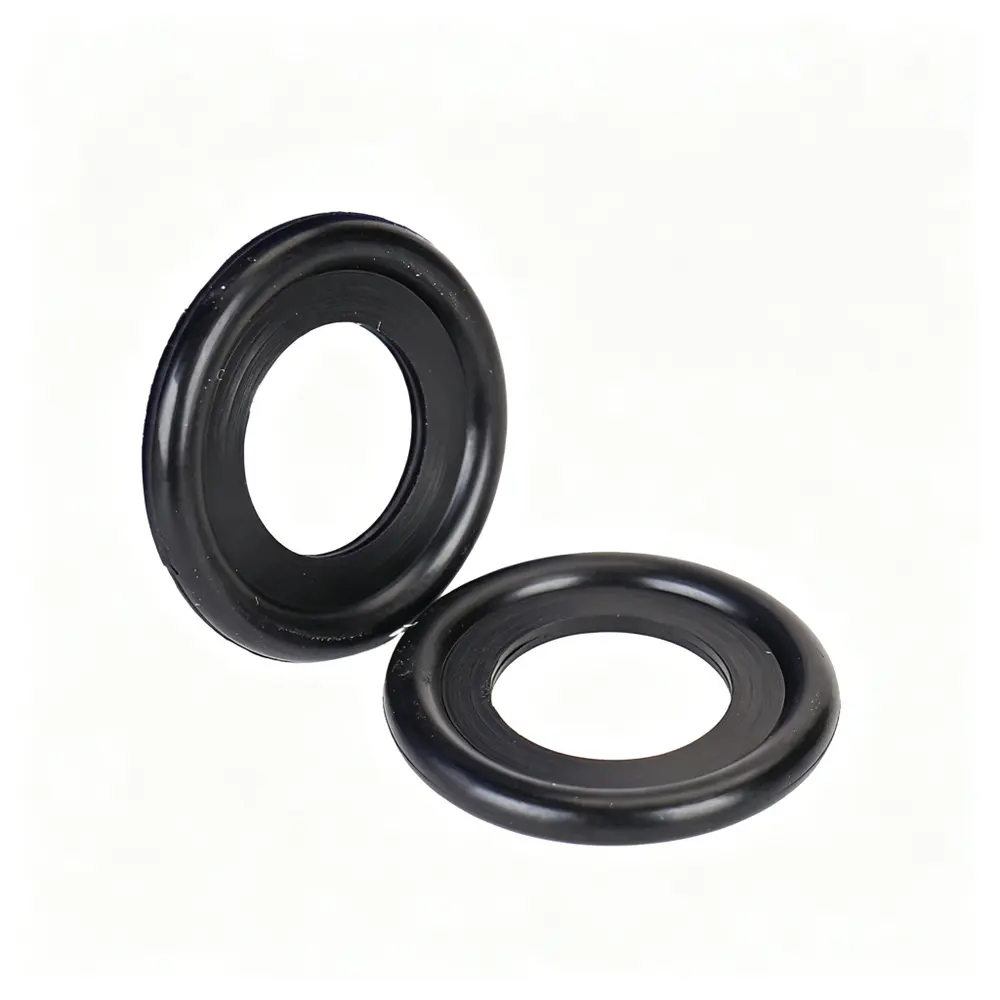
- Rubber and metal bonded washer — combines a rubber sealing lip with a metal core. The rubber must be compatible with hot engine oil.
- Nylon washer — used in some specialty applications; confirm the temperature and chemical compatibility.
Do magnetic drain plugs prevent leaks?
No. A magnetic drain plug can attract ferrous metal particles from the oil, but the magnet does not create the seal. The plug still needs the correct thread, gasket and torque. A magnetic plug that leaks is usually using the wrong gasket or has damaged threads.
Magnetic plugs are most useful as an extra maintenance aid. They do not replace the oil filter or regular oil changes.
How to choose the correct replacement
- Read the original part number on the old plug or gasket.
- Measure the thread diameter and pitch if the number is missing.
- Measure the gasket inner diameter, outer diameter and thickness.
- Inspect the oil pan sealing surface for scratches, corrosion or a crushed washer stuck to the pan.
- Confirm the plug length so it does not bottom out or leave too few threads engaged.
- Use the manufacturer torque specification rather than tightening until it feels tight.
Reference MotiveCrate oil drain parts
The links below cover common thread sizes, gasket packs and magnetic plug options. Always verify the original part number and thread size before ordering.
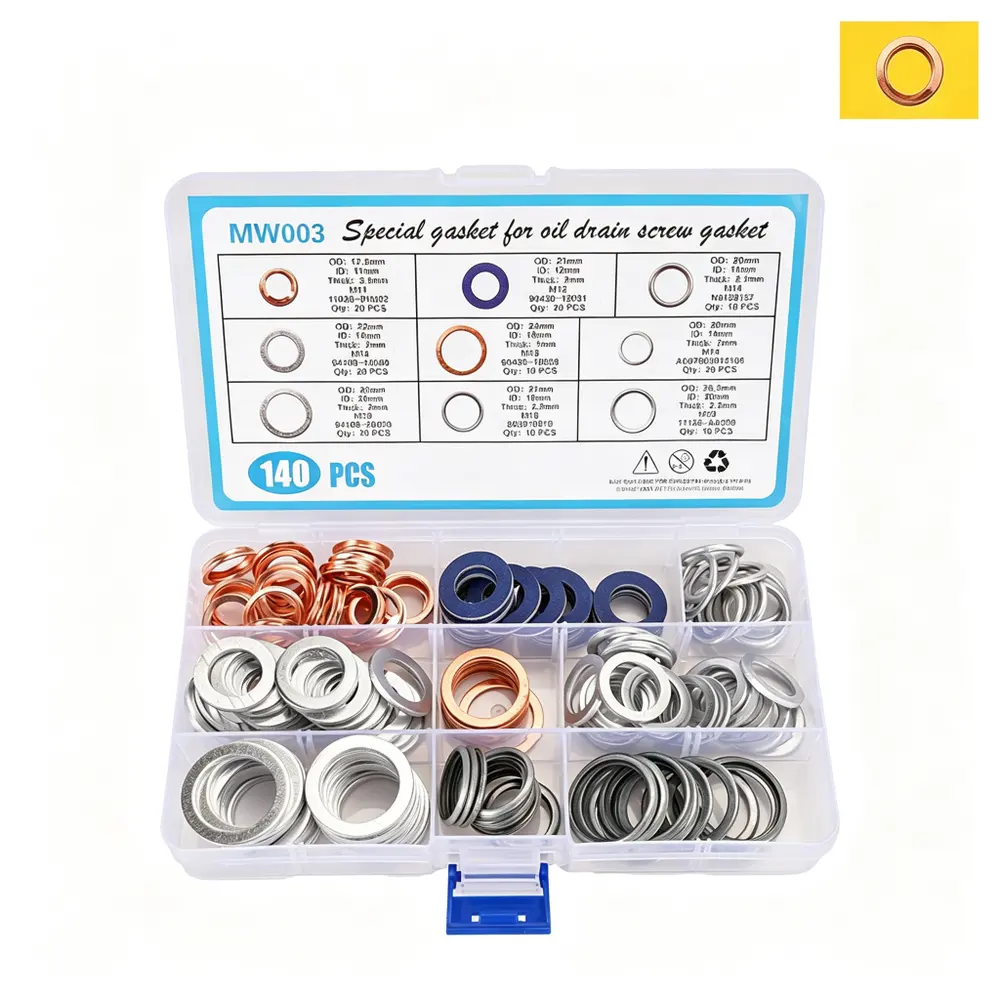
- 140-piece oil drain plug gasket assortment kit
- Subaru 803916010 oil drain plug gasket, 20/50 pack
- Toyota 90430-12031 oil drain plug gasket
- M14 x 1.5 magnetic oil drain plug reference
- M12 x 1.25 magnetic drain plug reference
- M12 x 1.75 magnetic drain plug reference
- 94109-14000 Honda M14 aluminum gasket
- 986833 oil drain plug with seal
Browse the full Oil Drain Plugs & Gaskets collection for more sizes and pack options.
Oil drain plug leak diagnosis
| Symptom | Likely cause | Next step |
|---|---|---|
| Oil drips from the plug | Wrong gasket, reused gasket or loose plug | Remove the plug, replace the gasket and inspect the threads |
| Oil appears around the plug but not after wiping | Residual oil from the last change | Clean the area and recheck after the engine runs |
| Plug tightens but continues to drip | Damaged sealing surface or wrong gasket thickness | Inspect the pan seat and measure the gasket |
| Plug spins without tightening | Damaged pan threads | Stop and repair the thread before adding oil |
| Oil leaks from above the plug | Valve cover, filter housing or another source | Trace the leak upward before replacing the plug |
Installation steps
- Drain the oil safely. Use the correct container and allow the oil to drain fully.
- Clean the plug and pan seat. Remove the old gasket and any metal debris.
- Fit the new gasket. Confirm it sits flat and is not twisted.
- Hand-thread the plug. Stop immediately if it does not turn smoothly.
- Torque to specification. Do not use extra force to stop a leak.
- Fill the engine and run it. Check for drips after the engine reaches operating temperature.
- Recheck after the first drive. Clean the area first, then inspect for fresh oil.
Pack sizes for DIY and repair shops
- 1 pc — one repair or one known application.
- 20 pcs — DIY owners, multiple vehicles or a small service bay.
- 50 pcs — independent repair shops with repeat oil changes.
- 100 pcs — high-volume shops and wholesale buyers.
- Assortment kit — shops that need several sizes on hand.
Frequently asked questions
Can I reuse an oil drain plug gasket?
Aluminum crush washers and most composite gaskets should be replaced every oil change. Reusing a compressed or hardened gasket is a common cause of slow leaks.
How do I identify an oil drain plug size?
Read the part number first. If it is missing, measure the thread diameter and thread pitch, then measure the gasket dimensions. Do not identify the plug by the wrench size alone.
Will a magnetic drain plug stop metal particles from circulating?
It can capture some ferrous particles, but it does not replace the oil filter, correct maintenance or proper leak repair.
Can I use a copper washer instead of an aluminum washer?
Only if the dimensions, sealing surface and torque specification are compatible. The material and thickness can change how the plug seals.
Do you offer wholesale oil drain plugs and gaskets?
Yes. Contact service@motivecrate.com or message us on WhatsApp for bulk packs, mixed cartons and private-label orders.
MotiveCrate supplies aftermarket replacement parts and is not affiliated with any vehicle manufacturer. Thread sizes and application notes are compatibility references only. Always verify the OEM or interchange number and torque specification before installation.
Parts mentioned in this guide
Replacement options matched to the part type and vehicle applications in this article.
Need help matching a part?
Email service@motivecrate.com or message us on WhatsApp with your year, make, model and trim and we will confirm the part number for you.
MotiveCrate supplies aftermarket replacement parts and is not affiliated with any vehicle manufacturer. Fitment information is a compatibility guide — always verify the part number before ordering.